

Filing and Disputing Fire-Related Homeowner Insurance Claims
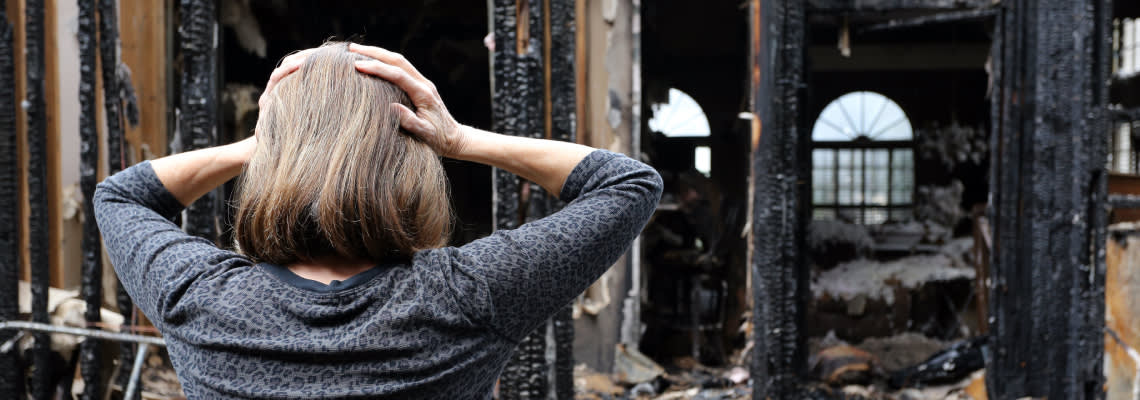
A house fire is one of the most disorienting things a family can go through. One minute your home is your home, and next you're standing on the curb watching smoke pour out of the windows. In the days that follow, you're suddenly expected to make sense of insurance policy language and claims procedure while grieving everything you've lost.
Unfortunately, insurance companies don't always make that process easier. Because fire claims can involve substantial losses, insurers may investigate them closely, and they sometimes delay, undervalue, or deny claims outright. Knowing how the process works and what your options are when it doesn't can make a difference in what you ultimately recover.
At the Law Office of Joshua S. Reed, we guide homeowners through this process. From our office in Knoxville, Tennessee, we've seen the tactics insurers use to minimize fire claims, and we know what it takes to push back effectively. Call us now to schedule your free consultation.
What Your Policy Actually Covers
Before filing or disputing a claim, understand what a typical homeowners insurance policy covers. Most policies include:
Dwelling: The home itself
Other structures: Detached garages, sheds, and similar structures
Personal property: Your belongings
Additional living expenses (ALE): Increased costs for temporary housing, meals, and other necessary expenses if your home is uninhabitable
Liability: Certain claims for injuries or property damage for which you may be responsible
Fire damage typically falls under dwelling and personal property coverage. ALE coverage may help pay the increased cost of temporary housing, meals, and other necessary expenses above what you'd normally spend, subject to your policy limits. Standard homeowners policies typically cover fire and lightning, though the specific cause and your policy exclusions can affect coverage, and intentional acts by an insured may be excluded depending on the circumstances.
Your deductible also matters: The insurer generally pays covered losses above it, up to your policy limits. Check whether your policy uses actual cash value (ACV) or replacement cost value (RCV). ACV pays the depreciated value of damaged property, while RCV covers the cost to repair or replace with materials of like kind and quality.
Some RCV policies initially pay ACV and later reimburse recoverable depreciation once you submit a receipt for the repair or replacement, subject to the policy requirements. The difference can mean thousands of dollars, so review your policy carefully or have an attorney review it.
Under Tennessee law, when a policyholder files a property claim under a personal-lines fire or homeowners policy for structural damage estimated at $20,000 or more, the insurer must give a written statement of certain basic rights, including the right to choose your own contractor, receive a free copy of your policy, and get a detailed repair estimate.
Steps to Take Immediately After a Fire
What you do in the first days after a fire can affect your insurance claim later, so it's worth being deliberate even in the middle of chaos. A little structure now can save you a lot of frustration and money later.
Report the fire and contact your insurer promptly: Your policy may require prompt notice, and an unexplained delay can create coverage issues. Obtain the fire department's incident report and keep it with your claim records.
Document everything before cleanup begins, once it's safe to do so: Photograph and video the damage from multiple angles, room by room, before any repairs or debris removal starts. Avoid discarding damaged items until you've documented them and, when practical, given the insurer a chance to inspect them.
Create a detailed inventory of damaged or destroyed property: Include approximate purchase dates, prices, and any receipts, photos, or records you can find. If you don't have documentation, reconstruct it from memory, bank statements, or purchase history.
Secure the property: Insurers expect reasonable steps to prevent further damage, like boarding windows, but don't make permanent repairs before the insurer can inspect. Keep receipts, since necessary temporary repair costs may be reimbursable under your policy.
Be thoughtful before giving a recorded statement: Most homeowners policies contain a cooperation requirement that may include providing a recorded statement as part of the insurer's investigation. But that doesn't mean you should answer without thinking things through, especially if the cause or coverage is disputed; in that case, it's worth consulting an attorney first. Casual or imprecise wording can later be used to minimize or deny your claim.
At our law firm, our Knoxville insurance claims attorneys can step in at any point during this process to make sure nothing gets missed, helping clients gather documentation, communicate with adjusters, and handle recorded statements carefully. Getting us involved early can prevent small missteps from becoming grounds for a denial later.
Why Fire Claims Get Disputed or Denied
Insurers deny or reduce fire claims for a range of reasons, some more legitimate than others. Common issues include:
Disputes over cause of loss: If the insurer suspects the fire was intentionally set, or attributes it to a cause it considers excluded, it may deny the claim entirely. Whether a cause is actually excluded depends on your policy language and the facts.
Undervaluing the loss: The parties may disagree about the scope of damage, repair methods, or construction costs, producing an estimate that falls short of what it would take to restore your property.
Coverage limits disputes: If your dwelling coverage limit is lower than the current cost to rebuild, which can happen as construction costs rise, you may be responsible for some of the difference.
Alleged policy violations: Insurers sometimes raise issues like late premium payments or undisclosed renovations. Whether these affect coverage depends on the policy and circumstances.
Delays in the claims process: Disputes can arise when an insurer repeatedly requests information without explanation or fails to make a timely coverage decision.
Your Options When a Claim Is Denied or Undervalued
If your claim is denied, delayed without justification, or offered at far less than what you believe it's worth, you have options beyond simply accepting the insurer's position.
Start by requesting a written explanation of the denial or reduction, citing the specific policy language relied upon. This forces the insurer to justify its position. You can also obtain independent damage estimates from contractors or public adjusters or file a complaint with the Tennessee Department of Commerce and Insurance, which may investigate and mediate the dispute.
Tennessee also provides a statutory remedy for certain bad-faith refusals to pay. If an insurer refuses to pay a loss within 60 days after a formal demand, and the refusal wasn't in good faith and the failure to pay caused additional expense, loss, or injury, a court or jury may award up to 25% of the insurer's liability for the loss, with attorney's fees considered as part of that amount. This remedy has specific requirements, including a formal demand, so whether it applies depends on the facts.
If the dispute concerns the amount of a covered loss rather than whether it's covered at all, your policy may include an appraisal clause that lets both sides bring in independent appraisers to resolve valuation disputes without going to court. Litigation remains an option too, particularly for significant underpayment or apparent bad faith.
Getting Help With an Insurance Claims Attorney
Rebuilding after a fire is hard enough without also fighting an insurer that disputes the cause, scope, or value of your loss. An attorney who regularly handles fire and homeowners insurance claims can review your policy, help you document your losses, and push back when an insurer isn't meeting its obligations.
If you're dealing with a fire-related homeowners insurance claim in Knoxville, Tennessee, our attorneys at the Law Office of Joshua S. Reed can help you build a strong claim and fight for the compensation you're entitled to. Reach out today for a free consultation. We serve clients in Knoxville, Farragut, Anderson County, Blount County, and Union County, as well as Maryville, Oak Ridge, and Clinton.