

How Is Fault Proven When a Driver “Doors” a Cyclist in a Marked Bike Lane?
A sudden collision between a cyclist and a car door can feel shocking, confusing, and overwhelming. One moment you’re riding safely in a marked lane, and the next you’re dealing with pain, damage, and questions about what just happened. An injury caused by “dooring” often leaves you unsure of your rights and how fault is determined. When you’re facing the aftermath of a bike lane injury, it’s natural to feel frustrated and concerned about medical bills, missed work, and recovery time. You likely want to know whether the driver who opened the door will be held responsible.
At the Law Office of Joshua S. Reed, we work with clients who have sustained serious bike lane injuries, helping them pursue accountability and fair compensation. With offices in Knoxville and Farragut, Tennessee, we serve clients throughout Anderson County, Blount County, Union County, Maryville County, Oak Ridge County, and Clinton County. These situations can feel isolating, but you’re not alone in dealing with them. If you’ve been injured, reach out to us to discuss your situation and your options.
What “Dooring” Means and Why It’s Dangerous
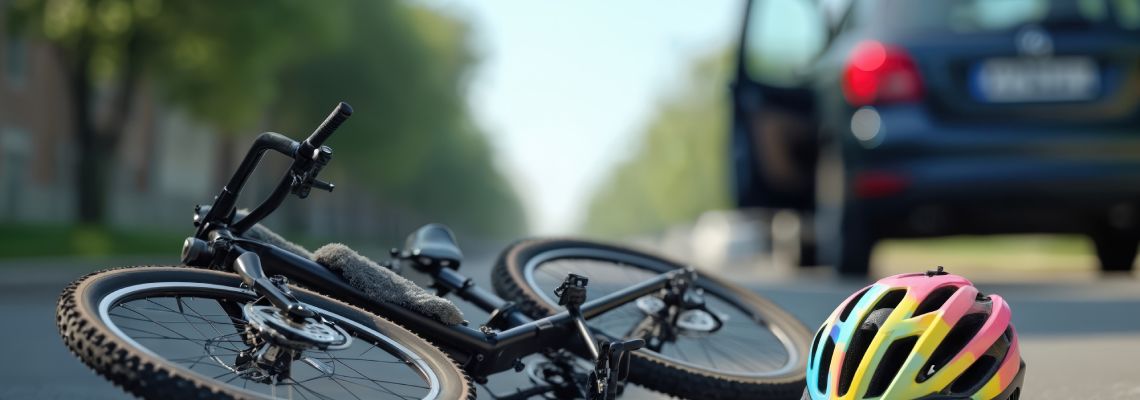
“Dooring” happens when a driver or passenger opens a vehicle door into the path of an oncoming cyclist. In a marked bike lane, cyclists are typically traveling where they’re expected to be, making these incidents particularly hazardous. A bike lane injury caused by dooring often results in a sudden impact, leaving little to no time to react.
Cyclists can be thrown from their bikes or forced into traffic, increasing the risk of serious harm. Even at lower speeds, the force of hitting an open door can lead to broken bones, head injuries, or long-term physical complications. Because of this, many states have laws requiring drivers to check for approaching cyclists before opening their doors.
From a legal standpoint, these cases often revolve around whether the driver exercised reasonable care. When someone opens a car door without checking for a cyclist in a designated lane, that action can be considered negligent.
How Liability Is Determined in a Bike Lane Injury Case
Proving fault in a bicycle accident case requires examining what each party was doing at the time of the incident. In many dooring cases, the driver or passenger who opened the door is presumed to be at fault, but that doesn’t mean every case is automatically resolved. To establish liability, several factors are typically reviewed:
Driver’s duty of care: Drivers and passengers must check for cyclists before opening a door into a roadway or bike lane.
Cyclist’s position in the bike lane: Evidence showing the cyclist was riding within a marked bike lane can support their claim.
Visibility and timing: Whether the cyclist was visible and whether the driver had enough time to notice them can play a role.
Local traffic laws: Many jurisdictions have specific rules about opening car doors into traffic, which can influence fault.
These elements help paint a clearer picture of what happened and who’s responsible. After reviewing the circumstances, a reliable lawyer can help determine how strong your claim is and what steps to take next.
Evidence That Strengthens a Dooring Claim
Building a strong case after a bike lane injury often depends on the quality of the evidence available. The more documentation you have, the easier it becomes to demonstrate what occurred and how the driver’s actions contributed to the incident. Some of the most useful forms of evidence include:
Police reports: Officers who respond to the scene should document statements, conditions, and initial findings.
Witness statements: Testimony from people who saw the dooring incident can support your version of events.
Photos and videos: Images of the scene, vehicle position, and injuries can provide valuable context.
Medical records: Documentation of your injuries helps connect the accident to the harm you’ve suffered.
Traffic or surveillance footage: Cameras in the area might capture the moment the door was opened or the cyclist’s position.
Collecting this information as soon as possible can make a meaningful difference in your case. A bike lane injury claim often relies on clear, consistent evidence to show that the driver failed to act responsibly.
How Comparative Fault Can Influence Your Case
Even when a driver appears to be at fault for a bike lane injury, there are situations where the cyclist’s actions are also examined. This is where comparative fault comes into play. It allows responsibility to be divided between the parties based on their actions. For example, a driver might argue that the cyclist was:
Riding outside the designated bike lane: Doing so could affect how fault is assigned.
Traveling at an unsafe speed: Speed is considered when evaluating reaction time and avoidance.
Not using proper lighting or visibility gear: Lack of visibility could be raised as a contributing factor.
These arguments don’t automatically eliminate your claim, but they can influence how compensation is calculated. If you’re found partially responsible, your recovery could be reduced by your percentage of fault. That’s why it’s important to present a clear and accurate account of what happened.
Move Forward After a Bike Lane Injury With Our Help
Recovering from a bike lane injury can take time, both physically and emotionally. You’re probably dealing with ongoing treatment, financial stress, and uncertainty about what comes next. It’s important to know that legal options are available to help you move forward.
From our locations in Knoxville and Farragut, Tennessee, we help clients in Anderson County, Blount County, Union County, Maryville County, Oak Ridge County, and Clinton County. At the Law Office of Joshua S. Reed, we assist clients by evaluating their cases, gathering evidence, and advocating for their interests. If you’re dealing with the aftermath of a bike lane injury, you don’t have to handle it alone. Reach out to us today to discuss your situation.